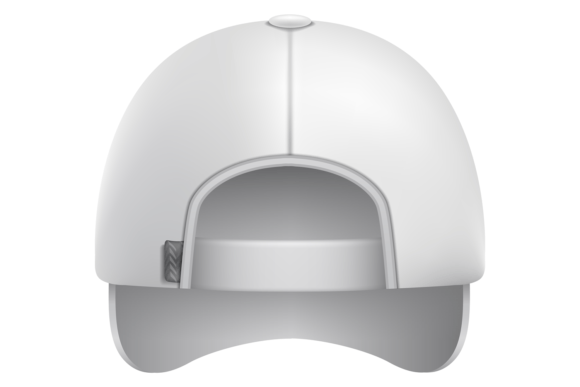
Baseball Cap White Mockup Realistic Review
A First Look at the Baseball Cap White Mockup
When I first opened the Baseball Cap White Mockup. Realistic Rea, I was immediately drawn to its clean, isolated presentation. The rear view of the cap feels both authentic and versatile, making it a solid choice for any embroidery designer looking to add a touch of realism to their projects.
The design’s mood is subtle yet professional. It doesn’t scream for attention but instead invites integration into various handmade products. Its shape and layout suggest it would fit well on caps, patches, or even as part of a larger applique design.
Real-World Embroidery Use Cases
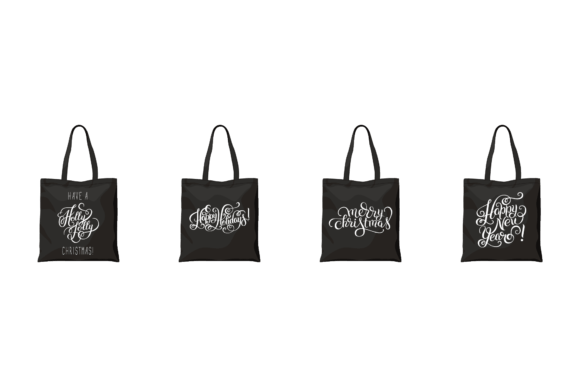
I’ve used this mockup in a few real-life scenarios, most recently when preparing a custom embroidered tote bag for a small shop. The detail level of the baseball cap made it perfect for adding a branded accent. It looked great on light-colored fabric, and the transparent PNG format allowed me to easily layer it over other designs.
This mockup could work well on custom apparel, such as sweatshirts or t-shirts, especially if you’re aiming for a minimalist look. It also fits nicely on embroidered patches or handmade product packaging. For craft business owners or Etsy sellers, this could be a go-to asset for showcasing your finished products in digital previews or printable mockups.
Its simplicity makes it ideal for holiday gifts or nursery decor items like pillow covers or tea towels. However, I’d advise using it cautiously on curved surfaces or small hoop sizes, where details might get lost.
Design Considerations for Embroidery Projects
One thing to keep in mind is how the Baseball Cap White Mockup. Realistic Rea interacts with different fabrics. On thin or stretchy materials, the design may not hold up as well unless you use the right stabilizer and adjust stitch density. I recommend testing it on scrap fabric first to see how it behaves under tension.
If you're planning to use it on dark fabrics, ensure there's enough thread color contrast so that the white design remains visible. Also, check whether the stitch density is appropriate for your machine and fabric type. Too dense, and it might cause puckering; too sparse, and it loses definition.
For commercial embroidery projects, confirm the licensing terms before selling any finished products or digital files. Always review the embroidery file for small details, especially if you plan to use it on tiny lettering or dense stitch areas.
Practical Tips for Designers and Crafters
Here are a few practical notes from my experience:
- Test on Scrap Fabric: Before committing to a final project, always test the design on scrap fabric to ensure it looks good after stitching.
- Check Thread Contrast: Make sure the thread colors match your fabric background—especially if using it on dark or textured materials.
- Review Stitch Density: Adjust the stitch density based on your fabric type and desired outcome. A higher density works better for detailed designs.
- Confirm Hoop Size: Ensure your hoop size can accommodate the design without stretching or distorting the image.
- Use Proper Stabilizer: Especially important for thin or stretchy fabrics, a good stabilizer will help maintain the integrity of your design.
- Check Licensing Terms: If you're planning to sell finished products or digital assets, make sure you understand the usage rights.
Final Thoughts on the Baseball Cap White Mockup
The Baseball Cap White Mockup. Realistic Rea is a versatile and realistic design that can elevate your embroidery projects and handmade products. Whether you're creating personalized gifts, small shop merchandise, or digital product previews, this mockup offers a clean, professional look that’s easy to integrate into your workflow.
While it excels in many applications, it’s best used with care on certain materials and hoop sizes. But overall, it’s a valuable addition to any embroidery designer’s toolkit—especially for those who want to create professional-looking and visually appealing finished products.